Most people who walk into a casino or load up an online lobby think they're playing against the house. They're actually playing against a spreadsheet. Every spin, deal, and dice roll is the output of a probability model that was designed years before you ever sat down at the table. Understand that model, and the entire experience changes. You stop chasing hunches and start thinking like someone who actually knows what's happening.
This isn't a lecture on gambling addiction (though that conversation matters and deserves its own space). It's a practical look at how the mechanics work, where the money actually goes, and how a smart player reads a game before putting a single chip down.
House Edge Is Not a Marketing Slogan
The house edge is the built-in mathematical advantage the casino holds on every bet. It's expressed as a percentage, and it's the single most important number in any game you'll ever play. Here's how it breaks down across the classics:
- Blackjack (basic strategy): roughly 0.5% house edge
- Baccarat (banker bet): about 1.06%
- European roulette: 2.7%
- American roulette: 5.26%
- Slots: typically 2% to 10%, sometimes higher
- Keno: often 25% to 35%
Notice the spread. A player grinding blackjack with basic strategy is losing roughly fifty cents per hundred dollars wagered. The same player at a keno terminal is losing thirty dollars per hundred. The game selection itself determines more of your outcome than any hot streak or cold deck ever will. Keno and some lottery-style games exist because the edge is so punishing that the casino can afford to pay out huge jackpots occasionally and still print money.
The edge isn't a scam. It's the casino's operating margin, the same way a grocery store marks up cereal. They wouldn't be in business otherwise. But the size of that margin varies enormously, and choosing the wrong game is the most expensive mistake a casual player makes.
Slots: Where Variance Tells the Real Story
Slots get a bad reputation among "serious" players, but the math is more interesting than the reputation suggests. Modern video slots use random number generators that cycle thousands of times per second. The reels you see stopping are pure theater, animation layered over a result that was already determined the moment you hit the spin button.
What matters for slots is the combination of RTP (return to player) and volatility. Two machines can both advertise 96% RTP and feel completely different:
- Low volatility slots pay small amounts frequently. Your bankroll lasts longer, but the ceiling on any single session is modest.
- High volatility slots pay rarely but can hit enormous multipliers. A 96% RTP high-volatility slot might go 300 spins without a meaningful win, then pay 500x on a bonus round.
- Medium volatility sits between the two and is usually the sweet spot for players who want session length and occasional spikes.
RTP is calculated over millions of spins. In a single hour of play, your personal return could be 20% or 400%. The number only guarantees what happens to the aggregate. This is why bankroll management matters more at slots than anywhere else. If you sit down with 50 units on a high-volatility game, you might be gone in fifteen minutes. Same 50 units on a low-volatility game and you're still playing two hours later, likely with roughly 96% of it back in some form. A good place to continue is tylenhacai.org.mx.
Poker Is a Different Animal Entirely
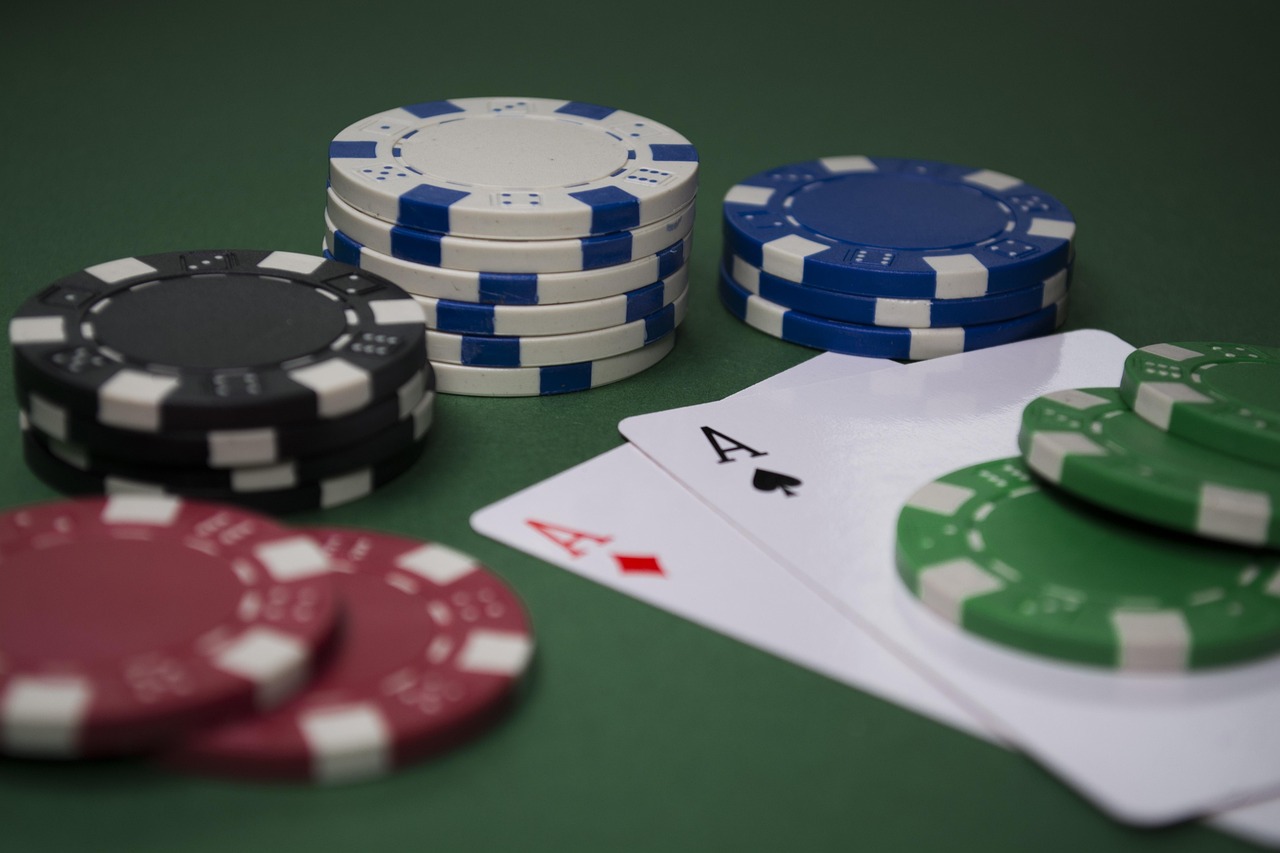
Poker is the one major casino game where skilled players have a genuine long-term edge over weaker ones. The house doesn't take a cut of your losses, it takes a rake, usually 5% of each pot up to a cap, or an hourly seat fee in some live rooms. That means you're not playing against the casino. You're playing against the other players, with the house skimming a small tax.
This is why poker strategy has an entire industry behind it and roulette strategy does not. You can't bluff a roulette wheel. You can absolutely bluff a nervous player on a flush draw. Skills that actually move the needle at the table:
- Position awareness: acting last gives you information every other player at the table doesn't have
- Bankroll management: never sit with more than 5% of your total roll in a single buy-in
- Opponent reading: bet sizing tells are more reliable than facial expressions, especially online
- Range thinking: stop putting opponents on one hand; put them on a distribution
- Emotional control: tilt costs more money than bad beats ever will
The rake still matters. A 5% uncapped rake in a low-stakes live game can turn a winning player into a break-even one. Online poker rooms with capped rake are mathematically softer for grinders, which is one reason the online ecosystem produced so many winning regulars in the 2000s.
Sports Betting and the Vig
Sports betting operates on a different principle. The bookmaker isn't trying to predict the winner. They're trying to balance the money on both sides so that no matter the outcome, they collect the vig (commission). On a standard -110 line, you risk $110 to win $100. That $10 is the book's cut, and it works out to roughly 4.5% on a coin-flip market.
Where this gets interesting is line shopping. The same game might be -110 at one book and -105 at another. Over a hundred bets, that difference is real money. Sharp bettors treat line shopping as non-negotiable, not optional. A dozen sportsbooks in your state means a dozen different prices on the same event, and taking the best one is free expected value.
Parlays and same-game parlays are a different story. They multiply your payout because they multiply the book's edge. A five-leg parlay at standard pricing carries a house edge north of 20%, which is why sportsbooks advertise them so aggressively. They're the slot machines of sports betting.
What Actually Separates Winners From Losers
Over any single session, luck dominates everything. Over a thousand sessions, math dominates everything. The players who last aren't the ones with secret systems or lucky rituals. They're the ones who pick low-edge games, manage their bankroll with discipline, understand variance, and don't chase losses when the model is working against them.
None of this makes gambling a smart investment. It isn't. The house edge ensures that the casino profits on aggregate, full stop. But if you're going to play, play where the math is least punishing and your decisions actually matter. Blackjack with strategy, poker against weak fields, and sports betting with line shopping all give you a fighting chance. Keno gives you a 30% haircut and a smile. Choose accordingly.