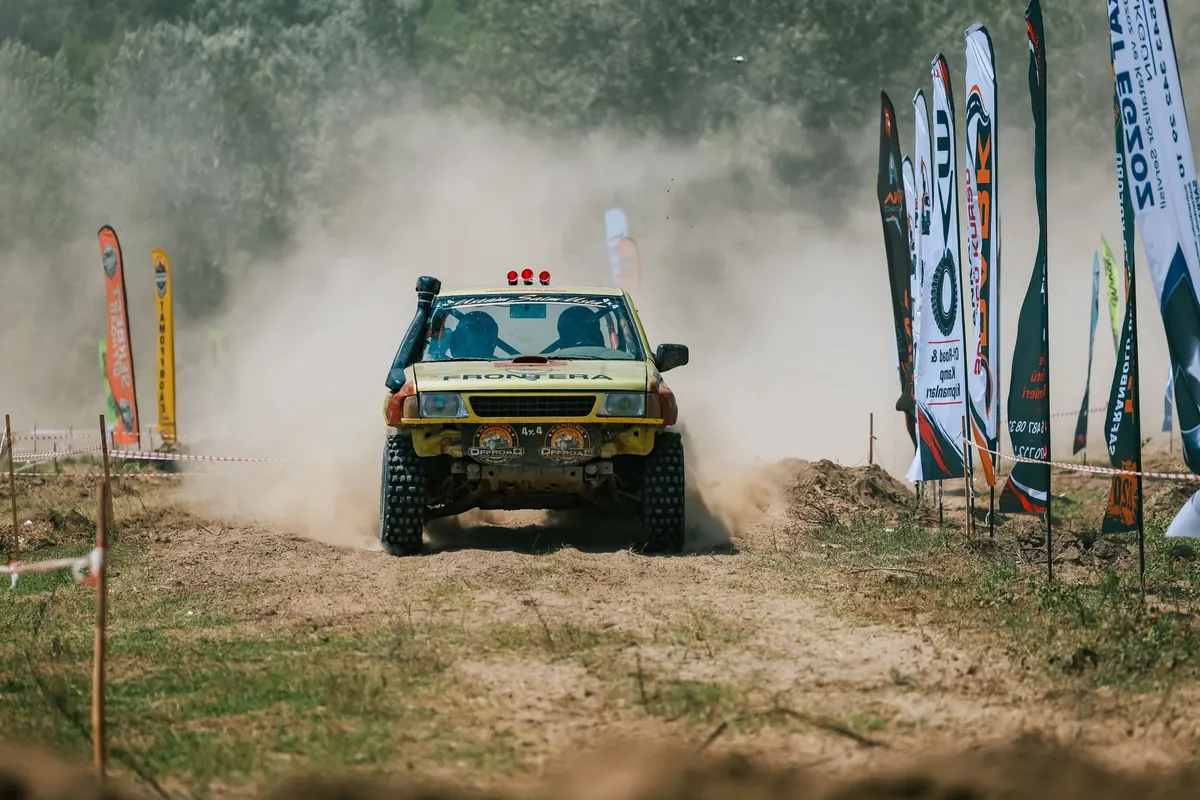
A drift day can go one of two ways. Either you arrive with a car that starts, wheels that hold air and a rough plan for lunch, or you spend the morning hunting for a 19mm socket while everyone else is already out on track. The difference is rarely luck. It is a list, written the week before, and ticked off the night before you load up.
What follows is what we would put on that list for a typical UK venue — an airfield circuit, a race track, a purpose-built drift pad. Every venue differs slightly, so treat this as a base to edit rather than gospel.
Start With the Venue, Not the Car
Before you touch a spanner, read the confirmation email properly. The details that catch people out are rarely about driving.
- Noise limits. Most UK circuits test static noise before you go out, at a set distance and rev limit. Blow it and you go home. If your car has a decibel insert, bring it.
- Sign-on times. Briefings are usually compulsory and often early. Arriving at ten when the briefing was at eight is a wasted day.
- Documentation. Bring your driving licence. If you are sharing a car, both drivers need to sign on. Passengers normally need to sign a form too.
- Vehicle rules. Some venues want a coolant catch tank, a tow strap or eye, or a fire extinguisher within reach. Check before you travel, not at the gate.
- Fuel. Ask where the nearest forecourt is and what the venue allows for stored fuel. Some permit jerry cans, some do not.
- Insurance. Standard road policies almost always exclude track use. If you want cover, look into specialist track-day insurance and read the exclusions carefully. For anything financial or contractual, take proper advice.
Keep it all in one plastic wallet: licence, booking confirmation, any indemnity forms, plus a note of the organiser's phone number in case you are running late on the M6.
Car Checks to Do a Week Before
A week gives you time to order parts. The night before gives you a panic. Work through the car with a torch and a rag.
Fluids and cooling
Check engine oil, coolant, brake fluid, clutch fluid and power steering or gearbox oil as applicable. A drift day is hard on brakes and differentials, so fresh brake fluid is money well spent if yours has not been changed in a while. Top up screen wash too — you will use it.
Mechanical checks
- Brake pads and discs: enough material for a full day, or bring spares.
- Wheel bearings, ball joints and bushes: any clonk or play needs investigating before you add heat and load.
- Exhaust mountings and manifold joints: they fail on track and a hanging exhaust will get you pulled in.
- Battery clamp: it must be secure, and the terminals tight.
- Seats and harnesses: check the mounts, not just the buckle.
- Everything loose inside the car: floor mats, boot junk, phone mounts, loose trim. Empty it out.
Then drive it. A twenty-minute run that gets everything up to temperature will reveal a weeping hose or a rattle that a driveway idle never will.
Tyres: The Bit That Decides Your Day
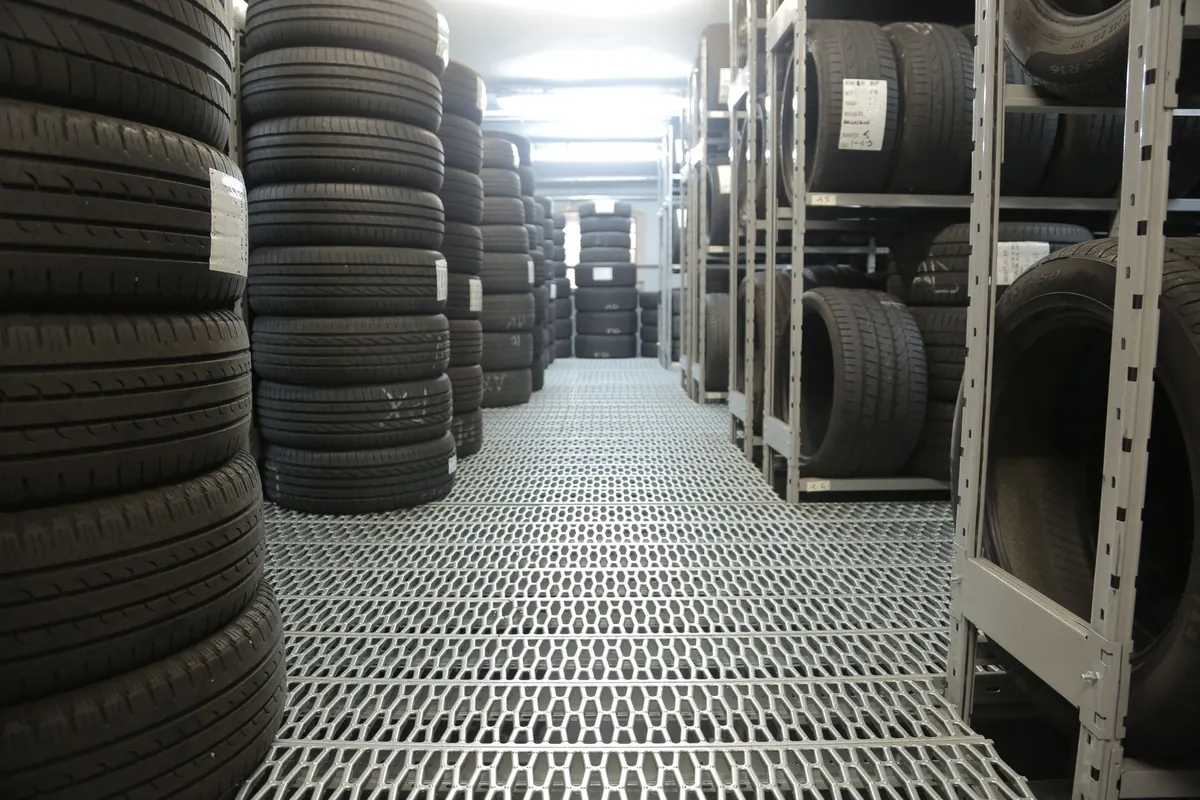
Tyres turn a good day into a great one, and a cheap set of part-worns into a very short one. For drifting, most people run rears that are deliberately on the lower side of decent, but you still want consistent construction and no cords showing.
- Bring at least two spare pairs of rear tyres. Four pairs is not excessive.
- Check the date codes and look for cracking, bulges or exposed cord. A tyre that lets go at speed can take a wing, a brake line or a wheel arch with it.
- Set road pressures before you leave, then adjust at the venue. Check them hot, not just cold.
- Grab a tyre pressure gauge and a foot pump, or a small compressor.
- If you run spacers or aftermarket wheels, bring spigot rings and the correct wheel bolts or nuts — plus a spare set.
- Many venues have a tyre service on site. Confirm in advance rather than assuming.
Remove centre caps before you go out. They have a habit of launching themselves into the undergrowth.
Tools and Spares You Will Actually Use
You do not need a full workshop. You do need the tools to change a wheel, adjust a ride height, tighten a hose clip and bodge a bracket.
- Trolley jack, two axle stands, wheel chocks and a jacking plate or block of wood.
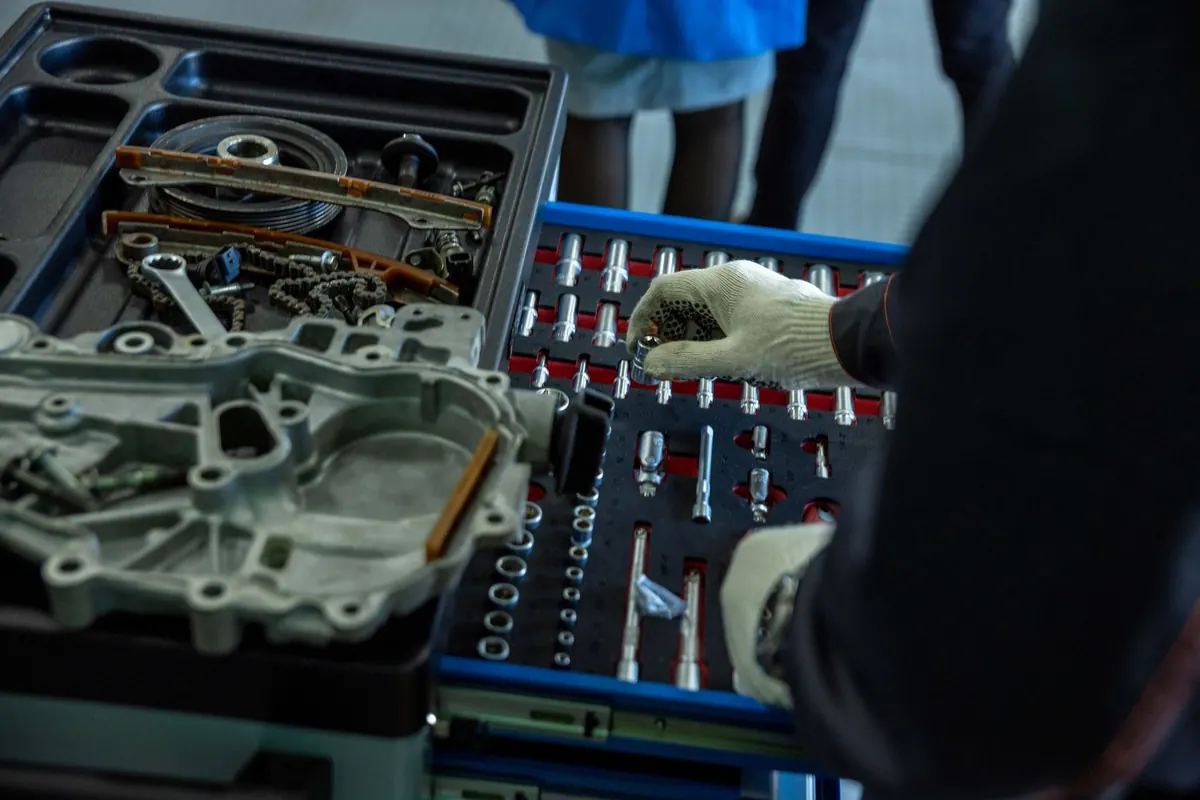
- Torque wrench, breaker bar, socket set, spanners, pliers, screwdrivers.
- Wheel gun or a decent wheel brace, plus a locking nut key if you still run one.
- Cable ties, gaffer tape, jubilee clips, self-amalgamating tape, fencing wire, zip ties.
- Spare drive belts, a length of coolant hose, hose clamps, and a litre each of oil, coolant and brake fluid.
- A jump pack or jump leads, and a multimeter if you are feeling thorough.
- Gloves, rags, a tarp or groundsheet to kneel on, and a big washable bucket for wet, filthy parts.
Label your toolbox. Paddocks all look identical at eight in the morning, and borrowed tools have a way of walking.
Paddock Essentials
UK weather does not negotiate. You can be stood in horizontal rain at ten and sunburnt by two. Pack for both.
- Gazebo or tarp for shelter, folding chairs, a small table.
- Layers, waterproof jacket and trousers, spare socks, wellies or sturdy boots, and a change of clothes in a dry bag.
- Helmet that meets the venue's standard, plus gloves if you wear them. Check whether you can hire one — most people do not want to.
- Long sleeves and trousers for driving. Avoid synthetic fabrics near open flames or hot exhausts.
- Water, more than you think, and proper food rather than a single flapjack.
- First aid kit, sun cream, hat, ear plugs — a stripped interior is loud on a long drive.
- Bin bags, paper towels, hand cleaner, a bin for your own rubbish.
- Power bank and charging cables. Check whether the venue accepts card or is cash only.
The Night Before, and the Morning Of
Load the car the night before, in the order you will want things. Tyres and tools first, comfort kit last, so you are not unpacking a gazebo to reach a jack. Brim the tank on the way, check the oil one final time, and make sure the tow eye and any required paperwork are in the cabin rather than under three wheels.
On the day: arrive early, sign on, attend the briefing, and do two or three steady laps before you start chasing angle. Give the car cool-down laps and let it idle for a couple of minutes before you switch off, especially after a long session. Check wheel nut torque after the first run, then again after every couple of sessions.
Finally, plan the drive home before you start. Tired, hot and running on adrenaline is not the time to discover a dodgy tyre or a brake pedal that has gone long. If something does not feel right, pack up early. There is always another drift day.
Photo: Sergei Starostin / Pexels